

Volvo’s manual transmissions offer a connected driving experience‚ favored by enthusiasts for control and engagement‚ though modern Volvo models increasingly feature automatics.
Historical Overview of Volvo Manual Gearboxes
Volvo’s journey with manual transmissions began alongside its automotive production‚ offering drivers direct control over their vehicles. Early Volvo models prominently featured manual gearboxes‚ evolving through various iterations to match engine advancements. The M40‚ M46‚ and M47 4-speed manuals were common in classic models like the 240 and 740 series‚ known for their durability.
Later‚ the M90 5-speed emerged‚ providing smoother shifts and improved efficiency. As technology progressed‚ the MT65 6-speed manual was introduced‚ offering even greater precision. While Volvo has shifted towards automatic transmissions in recent years‚ these manual gearboxes remain iconic‚ representing a significant part of the brand’s history and appealing to driving purists.
Why Choose a Volvo with a Manual Transmission?
Opting for a Volvo with a manual transmission delivers a uniquely engaging driving experience‚ fostering a stronger connection between driver and machine. Manuals offer greater control over gear selection‚ allowing for precise engine braking and optimized performance. Enthusiasts appreciate the tactile feedback and involvement that automatics often lack.
Furthermore‚ manual transmissions can potentially offer improved fuel efficiency and simpler mechanics‚ potentially reducing long-term maintenance costs. While less common in newer models‚ a manual Volvo provides a rewarding and classic driving feel‚ appealing to those who prioritize driver involvement.
Common Volvo Manual Transmission Models
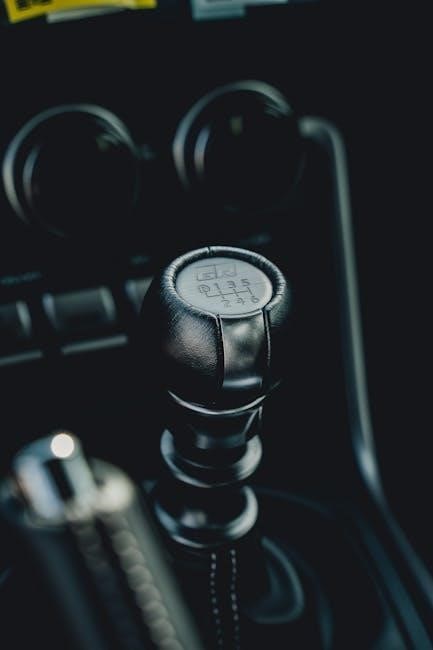
Volvo utilized several manual transmissions‚ including the M46/M47‚ M90‚ and MT65‚ each offering different gear counts and capabilities across various model years.
M46/M47 4-Speed Manual Transmission
Volvo’s M46 and M47 four-speed manual transmissions were commonly found in older models like the 240‚ 740‚ and 940 series. The M46 was initially used‚ later superseded by the improved M47. These gearboxes are known for their robustness and relative simplicity‚ making them fairly reliable and straightforward to repair.
However‚ they are limited by only having four forward gears‚ which can impact fuel economy and engine noise at higher speeds. Drivers often describe the shift feel as mechanical and direct. While durable‚ age and wear can lead to issues like synchro wear and difficulty engaging certain gears‚ requiring eventual rebuild or replacement.
M90 5-Speed Manual Transmission
Volvo’s M90 five-speed manual transmission represented a significant upgrade over the earlier M46/M47 units. Introduced in the 940 and early 850 models‚ the M90 offered smoother shifting and a wider gear spread‚ improving both drivability and fuel efficiency. It’s considered a strong and durable gearbox‚ capable of handling increased power from modified engines.
The M90 is favored by enthusiasts for its robust construction and relatively easy availability of parts. Common issues include wear in the synchros and shift linkage‚ leading to imprecise shifts. Regular maintenance‚ including fluid changes‚ is crucial for longevity‚ ensuring continued smooth operation for years to come.
MT65 6-Speed Manual Transmission
Volvo’s MT65 six-speed manual transmission‚ found in later models like some S40/V40 and early XC90 variants‚ aimed to provide enhanced fuel economy and a more refined driving experience. Developed by Getrag‚ it offered closer gear ratios for improved acceleration and reduced engine noise at highway speeds.
However‚ the MT65 has gained a reputation for being less durable than earlier Volvo manual transmissions. Common complaints include issues with the 1-2 synchro and a generally notchy shift feel. Careful driving and regular maintenance are essential to mitigate potential problems and prolong its lifespan‚ despite its inherent weaknesses.

Identifying Your Volvo’s Transmission Type
Determining your Volvo’s transmission involves using the VIN decoder‚ checking vehicle documentation‚ or performing a visual inspection of the transmission housing itself.
Using the VIN Decoder
The Vehicle Identification Number (VIN) is a unique code for your Volvo‚ and online VIN decoders can reveal crucial transmission information. Inputting the VIN into a decoder‚ like those available through Volvo resources or third-party automotive sites‚ often displays the original transmission type specified at the factory.
However‚ as noted in discussions on SwedeSpeed‚ even with a VIN lookup‚ ambiguity can occur‚ presenting multiple transmission options for a single model year. For example‚ a 2004 XC90 might show both AW50/51 AWD and M66 AWD as possibilities‚ necessitating further verification through other methods to confirm the exact configuration installed in your specific vehicle.
Checking Vehicle Documentation
Original vehicle documentation‚ such as the owner’s manual or window sticker‚ can provide definitive information about the installed transmission. These documents often list the specific transmission model as part of the vehicle’s original specifications. However‚ it’s important to note that this information reflects the factory configuration and may not account for any subsequent transmission swaps performed by previous owners.
Service records can also be invaluable‚ potentially detailing any transmission work completed on the vehicle‚ including replacements or rebuilds. Carefully reviewing these records can help establish a clear history of the transmission and confirm its current type.
Visual Inspection of the Transmission Housing
A careful visual inspection of the transmission housing itself can offer clues‚ though it’s not always conclusive. Different Volvo manual transmission models may have subtle variations in their casing shape‚ mounting points‚ or identifying marks. However‚ these differences can be minimal and require a keen eye or comparison with known examples.
Look for any stamped numbers or codes on the housing‚ which might correspond to a specific transmission type. Online resources and Volvo forums can assist in deciphering these codes‚ but professional identification is often recommended for certainty.
Volvo Manual Transmission Components
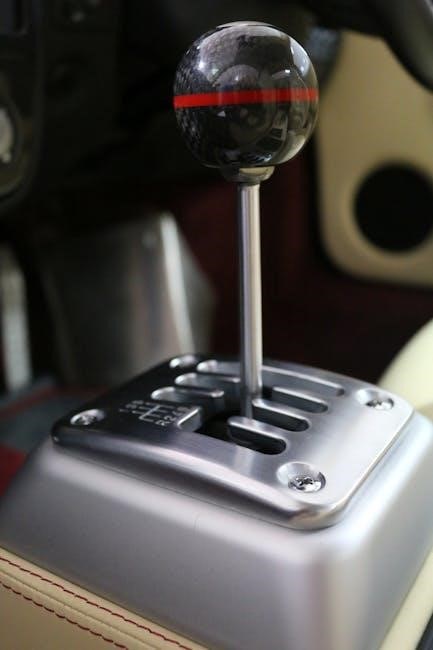
Key components include gear sets‚ the clutch system‚ shift linkage‚ and synchronizers‚ all working in harmony to deliver power and driver control.
Gear Sets and Ratios
Volvo manual transmissions utilize carefully selected gear sets to optimize performance and fuel efficiency. These sets consist of various sized gears‚ each designed to provide a specific torque multiplication and speed reduction. The gear ratios determine the relationship between engine revolutions and wheel rotations‚ influencing acceleration‚ top speed‚ and overall drivability.
Lower gear ratios offer increased torque for quicker acceleration‚ while higher ratios prioritize fuel economy at cruising speeds. Volvo engineers meticulously choose these ratios based on the engine’s characteristics and the intended use of the vehicle. Different transmission models‚ like the M46‚ M90‚ and MT65‚ feature unique gear ratios tailored to their specific applications‚ impacting the driving experience significantly.
Clutch System – Types and Operation
Volvo manual transmissions rely on a robust clutch system to smoothly transfer engine power to the gearbox. Typically‚ these systems employ a single-plate‚ dry-disc clutch‚ though variations exist across different models and years. The clutch engages and disengages the engine from the transmission‚ allowing for gear changes.
Operation involves the driver pressing the clutch pedal‚ which hydraulically or mechanically disengages the pressure plate from the clutch disc. This interruption allows the driver to select a new gear. Releasing the pedal re-engages the clutch‚ resuming power transfer. Proper clutch function is vital for smooth shifting and preventing wear‚ requiring periodic inspection and potential replacement.
Shift Linkage and Mechanism
Volvo’s manual transmission shift linkage is the system connecting the gear lever to the internal shift forks within the gearbox. This mechanism translates the driver’s movements into gear selection. Earlier models often utilized rod-based linkages‚ known for their direct feel‚ while later designs transitioned to cable-operated systems for packaging and reduced vibration.
A well-maintained shift linkage ensures precise and effortless gear changes. Wear or damage to linkage components can result in sloppy shifting‚ difficulty selecting gears‚ or even complete failure. Regular inspection and lubrication of pivot points are crucial for optimal performance and longevity of the system.
Synchronizers and Their Function
Volvo manual transmissions rely heavily on synchronizers to facilitate smooth and damage-free gear changes. These ingenious components match the speed of the selected gear to the main shaft before engagement‚ eliminating grinding noises and wear on the gear teeth. They achieve this through friction‚ using brass or carbon-based rings to equalize speeds.
Worn synchronizers are a common cause of grinding during shifting‚ particularly in older transmissions. Proper lubrication and avoiding aggressive shifting techniques extend their lifespan. When rebuilding a Volvo manual gearbox‚ synchronizer replacement is often necessary to restore optimal shifting performance.

Maintenance of Volvo Manual Transmissions
Regular fluid checks‚ clutch adjustments‚ and shift linkage lubrication are crucial for longevity. Addressing wear and tear promptly prevents costly repairs down the road.
Regular Fluid Checks and Changes
Maintaining the correct fluid level and condition within your Volvo’s manual transmission is paramount for smooth operation and preventing premature wear. Unlike automatic transmissions‚ manual transmissions don’t typically have a ‘sealed’ system‚ meaning fluid levels can gradually decrease over time. Regularly check the fluid level – consult your owner’s manual for the specific procedure and recommended fluid type.
Look for any signs of contamination‚ such as a metallic sheen or a burnt odor‚ which indicate internal component wear. Fluid changes are essential; the frequency depends on driving conditions‚ but generally‚ every 30‚000 to 60‚000 miles is a good guideline. Using the correct fluid is critical – incorrect fluid can cause significant damage.
Clutch Adjustment and Replacement
Proper clutch operation is vital for a pleasant manual driving experience. Over time‚ the clutch cable (in older models) may stretch‚ requiring adjustment to maintain proper pedal feel and engagement point. Symptoms of a needing adjustment include a low engagement point or difficulty shifting.
When adjustment is no longer sufficient‚ clutch replacement becomes necessary. Common signs include slipping (engine revs without corresponding acceleration)‚ shuddering‚ or a burning smell. Clutch replacement is a labor-intensive process‚ often best left to a qualified mechanic‚ involving transmission removal and careful component alignment.
Shift Linkage Lubrication
Maintaining a well-lubricated shift linkage is crucial for smooth and precise gear changes in your Volvo manual transmission. Over time‚ the various joints and bushings within the linkage can become dry‚ leading to stiffness‚ notchy shifts‚ and increased driver effort. Regular lubrication helps prevent wear and tear‚ ensuring optimal performance.
Use a high-quality grease specifically designed for automotive linkages. Apply it to all pivot points and bushings‚ ensuring thorough coverage. Periodic inspection and re-lubrication‚ typically every 12‚000-24‚000 miles‚ will contribute to a consistently enjoyable driving experience.
Identifying Common Wear and Tear
Volvo manual transmissions‚ while durable‚ exhibit specific wear patterns over time. Common issues include worn synchronizers‚ manifesting as grinding during shifts‚ particularly into higher gears. Clutch components‚ like the disc and pressure plate‚ experience wear leading to slippage or difficulty engaging gears; Inspect the shift linkage for looseness or worn bushings‚ causing imprecise shifting.
Regularly check for transmission fluid leaks‚ indicating potential seal failures. Listen for unusual noises during operation‚ and pay attention to any changes in shift quality. Proactive identification of these issues prevents more extensive and costly repairs down the road.

Troubleshooting Common Issues
Common problems include difficult shifting‚ grinding noises‚ clutch slippage‚ and transmission leaks; diagnosis requires careful observation of symptoms and fluid condition.
Difficulty Shifting Gears
Experiencing trouble selecting gears in your Volvo’s manual transmission can stem from several sources. Low or contaminated transmission fluid is a frequent culprit‚ hindering smooth synchronizer operation. A worn clutch‚ failing to fully disengage‚ can also create shifting resistance. Inspect the shift linkage for looseness or damage‚ as play here directly impacts precision.
Internal issues‚ like worn synchronizers or bent shift forks‚ require professional attention. Air in the hydraulic clutch system (if equipped) can also cause problems. Begin with a fluid check and linkage inspection before considering more complex repairs; proper diagnosis is key.
Grinding Noises During Shifting
Hearing a grinding sound when shifting gears in your Volvo manual transmission usually indicates a synchronization problem. Worn synchronizers‚ responsible for matching gear speeds‚ fail to smoothly engage‚ causing the gears to clash. This is often most noticeable when shifting into second or third gear. Low transmission fluid can exacerbate the issue‚ reducing lubrication and hindering synchronizer function.
Attempting to force a shift or rushing the process increases the likelihood of grinding. A worn clutch can also contribute‚ preventing complete disengagement. Ignoring grinding noises can lead to more significant and costly transmission damage‚ so prompt inspection is crucial.
Clutch Slippage
Clutch slippage in a Volvo manual transmission manifests as the engine revving higher than expected without a corresponding increase in vehicle speed. This occurs when the clutch disc isn’t fully engaging with the flywheel‚ unable to transfer engine power efficiently. Common causes include a worn clutch disc‚ contaminated clutch disc (oil or grease)‚ or a failing clutch master/slave cylinder.
Severe slippage can lead to overheating and premature clutch failure. Adjusting the clutch cable (if applicable) might temporarily alleviate the issue‚ but often indicates underlying wear requiring replacement.
Transmission Leaks
Transmission leaks in a Volvo manual gearbox are often identified by fluid puddles beneath the vehicle‚ typically reddish-brown in color. Common leak sources include the input and output shaft seals‚ the rear main seal‚ and the shift linkage boot. Leaks can also originate from a damaged transmission housing or loose drain plug.
Ignoring leaks can lead to low fluid levels‚ causing damage to internal components. Promptly identifying and addressing the source of the leak is crucial to prevent further issues and costly repairs.

Volvo Manual Transmission Performance Modifications
Enhancements like short shifters‚ upgraded clutch kits‚ and gear ratio changes can significantly improve a Volvo manual transmission’s responsiveness and driving feel.
Short Shifters
Short shifters dramatically reduce the throw between gears in a Volvo manual transmission‚ resulting in quicker‚ more precise shifts and a sportier driving experience. By minimizing the distance the shift lever travels‚ drivers can engage gears faster‚ improving performance and control. Installation typically involves replacing the factory shift linkage components with shorter‚ more direct alternatives. Several aftermarket options are available‚ offering varying degrees of reduction in throw length. Choosing the right short shifter depends on personal preference and desired driving style; some prioritize minimal throw‚ while others seek a balance between precision and comfort. Proper installation and adjustment are crucial for optimal performance and to avoid binding or difficulty selecting gears.
Upgraded Clutch Kits
Upgraded clutch kits are essential for Volvo enthusiasts increasing engine power or demanding higher performance from their manual transmissions. Stock clutches may struggle to handle increased torque‚ leading to slippage and reduced efficiency. Performance clutch kits offer stronger pressure plates and friction discs‚ providing increased clamping force and improved heat dissipation. These kits come in various configurations‚ from mild upgrades for street use to heavy-duty options for track applications. Considerations include pedal effort – some performance clutches require significantly more force to depress. Proper break-in procedures are vital to ensure optimal clutch life and prevent glazing.
Gear Ratio Changes
Gear ratio changes significantly alter a Volvo’s acceleration and cruising characteristics. Swapping the final drive or individual gear ratios within the transmission impacts how quickly the vehicle accelerates and its engine speed at a given road speed. Shorter ratios provide quicker acceleration but lower top speed‚ ideal for racing or spirited driving. Taller ratios improve fuel economy and reduce engine RPM at highway speeds‚ enhancing comfort for long journeys. Careful consideration of intended use is crucial; mismatched ratios can negatively affect drivability. Professional installation and recalibration of the speedometer are often necessary after such modifications.

Volvo Manual Transmission Repair and Rebuild
Repairing or rebuilding a Volvo manual transmission requires a skilled mechanic‚ careful parts sourcing‚ and a cost assessment versus complete replacement.
Finding a Qualified Mechanic
Locating a mechanic specializing in Volvo manual transmissions is crucial for successful repairs. General mechanics may lack the specific knowledge needed for these complex systems. Seek out shops with demonstrable experience in Volvo vehicles‚ particularly those known for performance or enthusiast work.
Online forums‚ like SwedeSpeed‚ can provide valuable recommendations from other Volvo owners regarding trusted mechanics in your area. Check online reviews and ask for references. A qualified mechanic should be able to accurately diagnose issues‚ source appropriate parts‚ and perform the repair to factory specifications‚ ensuring optimal performance and longevity of your transmission.
Cost of Repair vs. Replacement
Determining whether to repair or replace a Volvo manual transmission depends heavily on the extent of the damage. Minor issues‚ like a worn synchronizer‚ might be addressed with a repair costing between $500 and $1500‚ including parts and labor. However‚ significant internal damage‚ or a severely worn case‚ often makes replacement more economical.
A rebuilt transmission can range from $1500 to $3000‚ while a new unit could exceed $4000. Consider the vehicle’s overall condition and value when making your decision; a costly transmission replacement might not be worthwhile for an older‚ high-mileage Volvo.
Sourcing Parts for Repair
Finding parts for Volvo manual transmission repair requires exploring several avenues. Volvo dealerships offer genuine parts‚ ensuring quality but often at a premium price. Online retailers specializing in Volvo parts‚ like FCP Euro or IPD‚ provide a wider selection and competitive pricing. Salvage yards can be a cost-effective source for used components‚ but condition varies.
For specific or rare parts‚ Volvo enthusiast forums‚ such as SwedeSpeed‚ can connect you with other owners selling spares. Always verify the part’s compatibility with your transmission model before purchasing.
Volvo Manual Transmissions in Specific Models
Volvo’s 240‚ 740/940‚ and 850/S70/V70 series commonly featured manual transmissions‚ offering distinct gearboxes tailored to each model’s performance needs.
Manual Transmissions in the Volvo 240 Series
Volvo 240 series vehicles‚ renowned for their durability‚ frequently came equipped with the M46 or M47 four-speed manual transmissions. These gearboxes were known for their robust construction and relatively simple design‚ contributing to the 240’s reputation for reliability. The M46 was an earlier iteration‚ while the M47 offered some refinements.
Drivers appreciated the direct feel and control offered by these manual options. Finding parts for these older transmissions is generally straightforward due to the 240’s enduring popularity and the availability of aftermarket support. These transmissions were a key component in the 240’s appeal to those seeking a driver-focused experience.
Manual Transmissions in the Volvo 740/940 Series
Volvo’s 740 and 940 series continued the tradition of offering manual transmission options‚ primarily utilizing the M90 five-speed gearbox. This transmission represented a significant upgrade over the earlier M46/M47 units‚ providing smoother shifts and a wider gear ratio spread. The M90 was known for its strength and ability to handle the increased power output of the turbocharged engines available in these models.
The five-speed manual enhanced the driving experience‚ offering better fuel economy and more responsive acceleration. Parts availability remains good‚ supporting the continued maintenance and restoration of these classic Volvos.
Manual Transmissions in the Volvo 850/S70/V70 Series
The Volvo 850‚ S70‚ and V70 series largely featured the M90 five-speed manual transmission‚ continuing its legacy from the 740/940. However‚ later models within this range saw the introduction of the MT65 six-speed manual‚ offering even more refined shifting and improved fuel efficiency. The MT65 provided a sportier feel‚ particularly appealing with the higher-performance engine options.
These transmissions proved durable and reliable‚ contributing to the enduring popularity of these Volvo models. Finding replacement parts is generally manageable‚ supporting ongoing ownership and restoration efforts.

The Future of Manual Transmissions in Volvo
Volvo’s focus shifts towards electric vehicles‚ diminishing manual transmission availability; however‚ enthusiast demand may sustain limited offerings for a dedicated driving experience.
Trends in Automotive Transmission Technology
The automotive industry is rapidly evolving‚ with a significant shift towards automated and electric powertrains. Eight and nine-speed automatic transmissions‚ like Volvo’s Geartronic‚ are becoming standard‚ prioritizing fuel efficiency and seamless gear changes. Continuously Variable Transmissions (CVTs) also gain traction‚ offering a smooth‚ stepless driving experience.
However‚ dual-clutch transmissions (DCTs) provide quicker shifts and a more sporty feel‚ appealing to performance-oriented drivers. Simultaneously‚ the rise of electric vehicles (EVs) introduces single-speed transmissions due to the nature of electric motors. These trends collectively reduce the demand for traditional manual transmissions‚ as manufacturers prioritize efficiency and automation‚ impacting Volvo’s transmission landscape.
The Appeal of Manuals for Enthusiasts
Despite the industry’s shift towards automatics‚ manual transmissions retain a dedicated following among driving enthusiasts. The direct connection between driver and machine‚ offering greater control over gear selection and engine speed‚ is highly valued. This fosters a more engaging and immersive driving experience‚ particularly appreciated in performance-focused vehicles like older Volvo models.
Many enthusiasts enjoy the skill and satisfaction of mastering heel-toe downshifting and precise gear changes; The simplicity and reliability of manual transmissions also appeal to those who prefer a more mechanical feel‚ contributing to their enduring popularity within the car community.
Potential for Continued Availability
The future of manual transmissions at Volvo remains uncertain‚ given the broader automotive industry’s trend towards automated driving experiences. However‚ a dedicated enthusiast base continues to demonstrate demand for manual options‚ potentially influencing future product decisions. While current models largely feature automatic transmissions like the eight-speed Geartronic‚ niche or limited-edition models could retain a manual gearbox.
Volvo might cater to this demand by offering manuals in specific performance variants‚ acknowledging the appeal for drivers seeking a more connected and engaging driving experience.