
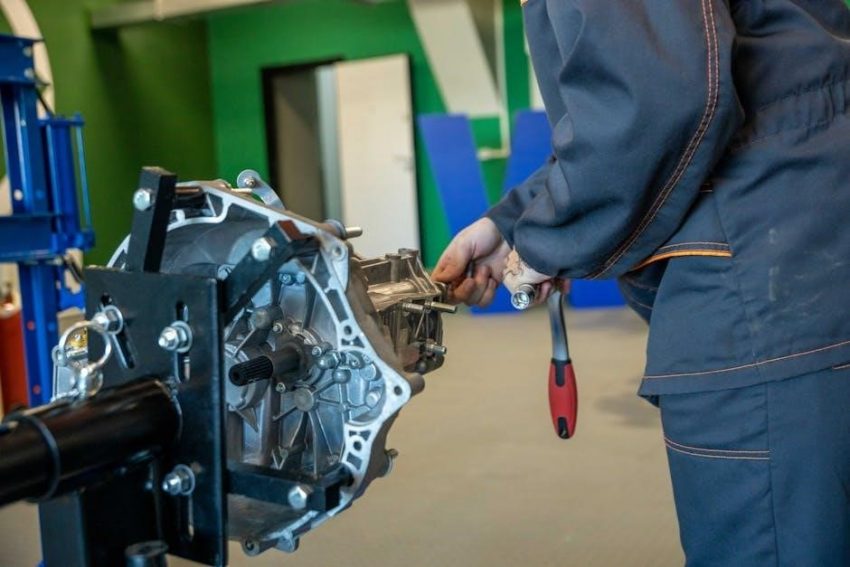
Signs of a Bad Manual Transmission: A Comprehensive Guide (Updated 04/01/2026)
A failing manual transmission often presents itself through various symptoms, stemming from its complex internal mechanics and numerous moving parts. Recognizing these early warning signs is crucial for timely repair.
Manual transmissions, while generally robust, are susceptible to wear and tear over time, leading to a range of operational issues. These problems often manifest subtly at first, making early detection vital to prevent more extensive – and costly – repairs. The intricate system of gears, shafts, synchronizers, and bearings within a manual transmission is constantly under stress, especially with spirited driving or neglected maintenance.
Understanding the potential failure points and recognizing the common symptoms is key for any vehicle owner. Ignoring these warning signs can result in complete transmission failure, leaving you stranded and facing a significant financial burden. A proactive approach, coupled with regular inspections, can significantly extend the life of your manual transmission and ensure smooth, reliable performance.
Understanding the Components of a Manual Transmission
A manual transmission’s functionality relies on the harmonious interaction of several key components. Gears, of course, are central, providing different ratios for varying speeds and loads. Synchronizers are crucial for smooth gear engagement, matching the speeds of the gears before they mesh. Shift forks facilitate the movement of these synchronizers, controlled by the shift linkage connected to the gear lever.
The input shaft receives power from the engine, while the output shaft delivers it to the driveshaft and ultimately, the wheels. Bearings support these rotating components, reducing friction. Understanding how these parts work together is essential for diagnosing transmission issues. Wear or damage to any single component can disrupt the entire system, leading to the symptoms we’ll explore, impacting drivability and requiring attention.
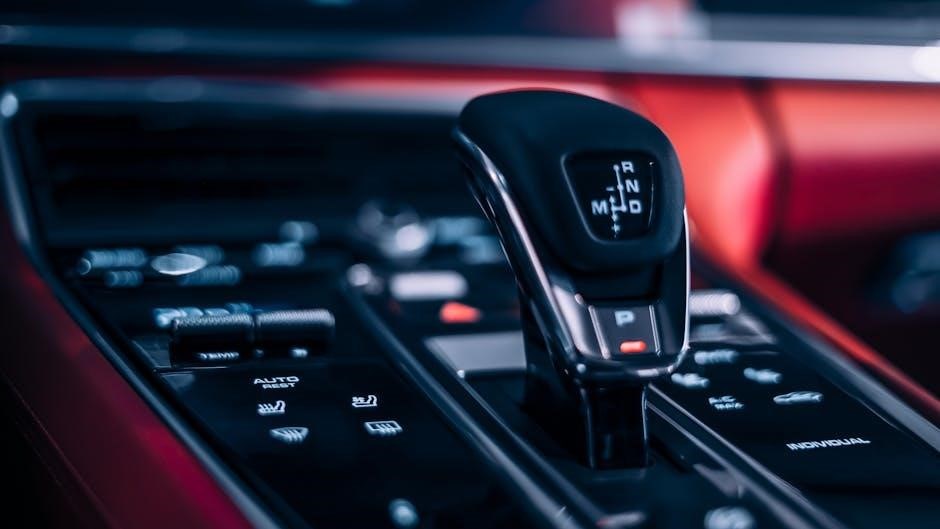
Common Symptoms Indicating Transmission Problems
Observable issues like shifting difficulties, unusual noises, and clutch malfunctions are strong indicators of potential transmission problems requiring immediate attention and diagnosis.
Difficulty Shifting Gears
Experiencing trouble getting your car into gear, or finding that certain gears are harder to reach than others, is a common sign of a developing transmission issue. This can manifest as a general stiffness when attempting to shift, or a specific resistance when trying to engage particular gears.
Sometimes, the shifter may feel loose or vague, lacking the precise engagement it once had. It’s important to note if this difficulty occurs with all gears, or only a select few. Ignoring this symptom can lead to further damage, potentially requiring a complete transmission overhaul. Early detection and diagnosis are key to preventing more extensive and costly repairs down the road.
Grinding Gears – A Major Warning Sign
A grinding noise when attempting to shift gears is a serious indicator of potential transmission problems and should never be ignored. This harsh sound typically arises from worn synchronizers, which are responsible for matching the speed of the gears before engagement. When synchronizers fail, the gears clash, creating the grinding noise.
Grinding can occur when shifting into any gear, but is often most noticeable when downshifting. Continued driving with grinding gears will accelerate wear and tear on the transmission components, potentially leading to complete failure. Addressing this issue promptly is crucial to avoid more extensive and expensive repairs. It’s a clear signal that internal damage is occurring.
Clutch Pedal Issues
Problems with the clutch pedal are frequently linked to issues within the manual transmission system, even if the transmission itself isn’t directly failing. Changes in the pedal’s feel or operation can indicate wear or damage to several components. These issues often manifest as difficulty engaging or disengaging gears, or a general feeling of inconsistency when operating the clutch.
The clutch pedal is the driver’s primary interface with the transmission, so any alterations should be investigated. Common problems include a pedal that feels soft, spongy, or sticks to the floor. These symptoms can point to hydraulic issues, a failing master or slave cylinder, or even internal clutch component wear.
Clutch Pedal Feels Spongy or Soft
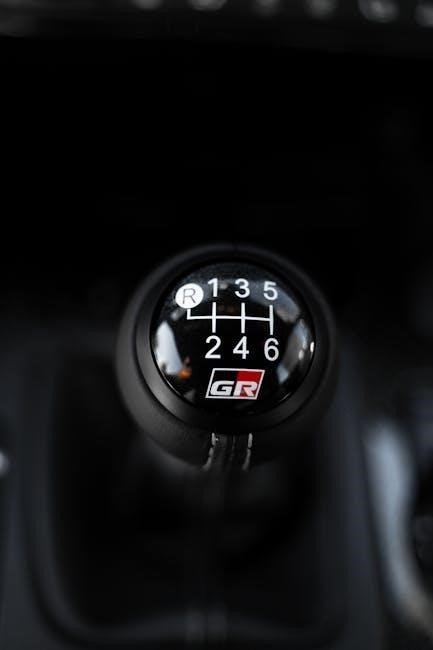
A spongy or soft clutch pedal typically indicates a problem within the hydraulic system responsible for clutch actuation. This sensation arises from air trapped within the clutch lines, or a failing master or slave cylinder. When air enters the system, it compresses under pressure, reducing the firmness of the pedal and diminishing its ability to fully disengage the clutch.
This can lead to difficulty shifting, especially into first or reverse gear. A soft pedal also suggests a potential leak in the hydraulic system, reducing fluid pressure. Ignoring this symptom can result in complete clutch failure, leaving you unable to change gears. Prompt inspection and bleeding of the clutch lines, or component replacement, are crucial.
Clutch Pedal Sticking or Being Difficult to Press
A clutch pedal that sticks or requires excessive force to depress often points to issues within the clutch linkage or the clutch release mechanism itself. Potential causes include a worn or corroded clutch cable (in cable-operated systems), a binding clutch fork, or a failing pilot bearing. These issues create resistance, making pedal operation labored and inconsistent.
Sticking can also stem from a lack of lubrication within the pedal pivot points. Difficulty pressing the pedal can indicate a weakening diaphragm spring within the clutch assembly. Prolonged neglect can lead to complete pedal lockup or damage to the clutch release components, necessitating extensive repairs. Immediate attention is vital to prevent further complications.
Unusual Noises During Operation
Strange sounds emanating from the transmission are often strong indicators of internal problems. These noises can vary significantly depending on the source of the issue. Whining sounds frequently suggest worn bearings within the transmission, while clunking or clicking noises during gear changes often point to damaged synchronizers or loose internal components.
A rattling sound could indicate a broken or loose part within the gearbox. Ignoring these noises can lead to catastrophic failure. It’s crucial to identify the type of sound and when it occurs – during shifting, acceleration, or deceleration – to help pinpoint the problem. Professional diagnosis is recommended to accurately assess the source and severity of the noise.
Whining Sounds from the Transmission
A persistent whining sound originating from the transmission is frequently a telltale sign of worn or damaged bearings. These bearings allow the gears to rotate smoothly, and when they degrade, they create a noticeable high-pitched whine, often increasing with vehicle speed. The sound may be more prominent in certain gears than others.
Low transmission fluid levels can also exacerbate this noise, as insufficient lubrication increases friction and wear on the bearings. While a minor whine might initially seem harmless, it typically worsens over time, eventually leading to more significant damage. Prompt inspection and fluid level checks are essential to determine the cause and prevent further deterioration.
Clunking or Clicking Noises When Shifting
Distinct clunking or clicking sounds heard during gear changes often indicate issues within the transmission’s internal components. These noises frequently point to worn or damaged universal joints, CV joints, or loose linkages connecting the shifter to the transmission itself. The sounds are typically most noticeable when shifting into or out of gear, particularly at lower speeds.
Worn synchronizers can also contribute to these noises, as they struggle to match the speeds of the gears during shifting. Ignoring these sounds can lead to more extensive damage, potentially affecting the transmission’s ability to engage gears properly. A thorough inspection of the drivetrain is recommended to pinpoint the exact source of the noise.
Gear Slippage
Gear slippage is a concerning symptom where the engine revs higher than expected without a corresponding increase in vehicle speed. This indicates that the transmission isn’t effectively transferring power to the wheels. It often manifests as the engine “lugging” or feeling disconnected from the drivetrain, especially during acceleration or when climbing hills.
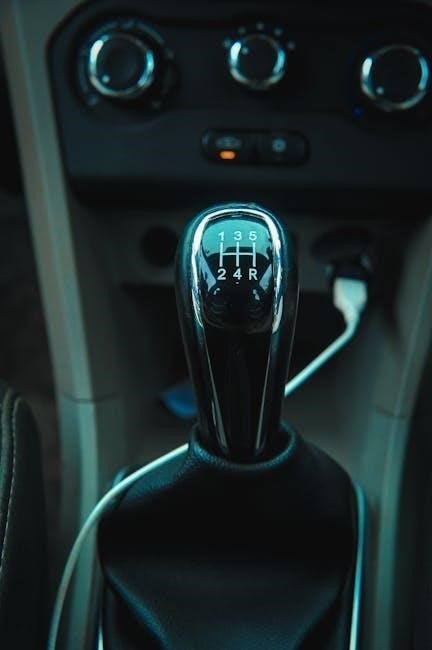
Worn clutch components are a primary cause of gear slippage in manual transmissions. A failing clutch disc loses its ability to firmly grip the flywheel, resulting in power loss. Additionally, low transmission fluid levels or internal damage within the transmission itself can contribute to this issue. Addressing gear slippage promptly is vital to prevent further damage and maintain vehicle control.

More Subtle Signs to Watch For
Often, transmission issues begin with subtle clues, like increased vibrations or unusual smells, demanding careful attention to vehicle behavior.
Increased Vibration
Noticeable vibrations, especially when accelerating or at certain speeds, can signal internal problems within the manual transmission. These aren’t the typical engine vibrations; they feel different, often emanating from the floorboard or the center console. Worn or damaged components, like U-joints or the driveshaft, can contribute, but transmission-related vibrations often change with gear selection.
A failing transmission might struggle to maintain balance, causing a shaking sensation. This could be due to worn synchronizers, damaged gears, or issues with the differential. Ignoring these vibrations can lead to further damage and potentially more expensive repairs down the line. It’s crucial to investigate the source promptly to prevent escalation.
Burning Smell
A distinct burning smell, particularly after driving, is a significant red flag indicating potential transmission issues. This odor isn’t the same as hot engine smells; it’s often described as a burnt, acrid scent. It typically arises from overheating transmission fluid due to excessive friction within the gearbox;
Slipping gears or a failing clutch can cause the fluid to work harder and generate excessive heat. Prolonged overheating degrades the fluid, reducing its lubricating properties and accelerating wear on internal components. A burning smell suggests immediate attention is needed to prevent severe damage and potential transmission failure. Don’t dismiss this warning sign!
Transmission Fluid Leaks
Noticing reddish-brown fluid pooling beneath your vehicle is a strong indicator of a transmission fluid leak. Manual transmissions, while generally more robust than automatics, can still develop leaks over time due to worn seals, gaskets, or damaged housings. These leaks can stem from various points, including the input or output shaft seals, the transmission case itself, or even the fill/drain plugs.
Consistent fluid loss lowers the transmission’s fluid level, hindering proper lubrication and cooling. This can lead to increased friction, overheating, and ultimately, component failure; Addressing leaks promptly is vital to prevent further damage and maintain optimal transmission performance. Regular inspection is key!
Identifying Transmission Fluid Leaks
Pinpointing the source of a transmission fluid leak requires careful observation. Begin by visually inspecting the area beneath your parked vehicle, looking for reddish-brown puddles. Trace the fluid upwards to identify potential leak points on the transmission housing, seals, and connecting lines. Pay close attention to the input and output shaft areas, as these are common leak locations.
Using a flashlight can aid in spotting smaller drips or residue. Clean the transmission housing with a degreaser to help reveal fresh leaks. Note the fluid’s consistency and color; a burnt smell often accompanies severely degraded fluid. Remember safety precautions when working under a vehicle – always use jack stands!
Checking Transmission Fluid Levels
Regularly checking your manual transmission fluid is a vital preventative measure. Locate the fill plug, typically on the side of the transmission case. With the engine off and cool, carefully remove the plug. The fluid level should be right at the bottom of the fill hole – a finger test works well. If it’s low, add the correct type of transmission fluid, specified in your vehicle’s owner’s manual.
Caution: Overfilling can be as detrimental as underfilling. Observe the fluid’s condition; it should be bright red and translucent. Dark, murky fluid indicates contamination or degradation, signaling a need for a fluid change and potential transmission inspection.
Specific Problems & Their Symptoms
Internal transmission issues, like worn synchronizers or damaged shift forks, manifest as difficulty selecting gears or unusual noises during operation. Identifying these is key.
Worn Synchronizers
Synchronizers are vital components within a manual transmission, responsible for matching the speeds of the gears before engagement. When these wear down, a common symptom is difficulty shifting, particularly into specific gears. You might experience a grinding noise as you attempt to change gears, even with a fully depressed clutch pedal.
This grinding occurs because the gears aren’t properly synchronized, leading to a clash. The problem often worsens with colder temperatures, as the lubricants become thicker and less effective. Ignoring worn synchronizers can lead to further damage to the gears themselves, escalating repair costs significantly. Early detection and replacement are crucial for maintaining smooth and efficient gear changes.
Damaged Shift Forks
Shift forks are the internal levers that move the gears into engagement within the transmission. Damage to these forks, often caused by excessive force during shifting or wear and tear over time, can manifest as difficulty selecting certain gears. You might find a gear feels “blocked” or requires significant effort to engage.
In some cases, a damaged shift fork can cause the transmission to pop out of gear while driving, a dangerous situation requiring immediate attention. A bent or broken fork prevents the complete and secure engagement of the gear, leading to these issues; Ignoring this problem can result in complete transmission failure, necessitating a costly rebuild or replacement.
Bent Shift Linkage
The shift linkage connects the gear shifter in the cabin to the transmission itself, translating your movements into gear changes. When this linkage becomes bent, it disrupts the precise connection needed for smooth operation. A common symptom is imprecise shifting, where you don’t quite hit the gear you intended.
You might experience difficulty finding the correct gear position, or the shifter may feel loose and sloppy. A bent linkage can also cause vibrations through the shifter, and in severe cases, prevent certain gears from being engaged at all. Inspecting the linkage for visible bends or damage is a crucial step in diagnosing shifting problems, as it’s a relatively inexpensive repair compared to internal transmission work.
Worn Clutch Components
The clutch is the vital link between the engine and the manual transmission, enabling smooth gear changes. Over time, several clutch components wear down, leading to noticeable performance issues. A primary indicator is difficulty shifting, particularly into first or reverse gear, accompanied by a grinding noise. Slipping, where the engine revs without a corresponding increase in speed, is another key symptom.
Worn components, like the clutch disc or pressure plate, reduce the clutch’s ability to fully engage. This results in lost power and increased engine strain. Ignoring these signs can lead to complete clutch failure, requiring a full clutch replacement – a more costly repair than addressing the issue early on.
Worn Clutch Disc
The clutch disc, sandwiched between the flywheel and pressure plate, is a friction material responsible for transferring engine power to the transmission. As it wears, its ability to grip diminishes, manifesting as clutch slippage – the engine revs higher than the vehicle’s speed. This is especially noticeable during acceleration or when climbing hills.
A worn clutch disc also contributes to difficulty shifting, requiring more effort to engage gears. You might experience shuddering or vibrations when starting from a standstill. Inspecting the clutch disc involves removing the transmission, making it a task best left to professionals. Regular driving habits and load contribute to wear, and replacement is inevitable with mileage.
Failing Throw-Out Bearing
The throw-out bearing (also called a release bearing) presses against the clutch pressure plate to disengage the clutch when you depress the pedal. A failing throw-out bearing typically announces itself with a whining, squealing, or grinding noise, often most prominent when the clutch pedal is pressed. This sound may disappear when the pedal is released.
The noise originates from the bearing’s internal components wearing down or losing lubrication. Ignoring this symptom can lead to complete bearing failure, potentially causing damage to the clutch and flywheel. Replacement requires transmission removal and is often done concurrently with clutch disc replacement for cost-effectiveness and preventative maintenance.
Diagnosis and Repair Considerations
Accurate diagnosis by a qualified mechanic is vital for effective transmission repair, as internal issues can be complex and require specialized tools.
Professional Diagnosis is Recommended
Attempting to self-diagnose a manual transmission issue can be misleading and potentially costly. While observing symptoms is a good first step, a professional technician possesses the expertise and specialized diagnostic equipment to pinpoint the exact cause of the problem; They can accurately assess the internal components, identifying worn synchronizers, damaged shift forks, or clutch-related issues that may not be immediately apparent.
A thorough inspection often involves a road test to replicate the conditions where the symptoms occur, followed by a detailed examination of the transmission itself. Utilizing scan tools and performing internal inspections allows for a precise diagnosis, preventing unnecessary repairs and ensuring the correct solution is implemented. Trusting a professional ensures a reliable and long-lasting fix.
Potential Repair Costs
The cost to repair a manual transmission varies significantly depending on the severity of the damage and the vehicle’s make and model. Simple fixes, like replacing a worn clutch component (disc or throw-out bearing), might range from $500 to $1,500, including parts and labor. More complex issues, such as damaged shift forks or worn synchronizers, often necessitate a transmission rebuild or replacement.
A complete transmission rebuild can cost between $1,500 and $3,500, while a new or remanufactured transmission could range from $2,000 to $5,000 or more. These figures are estimates and can fluctuate based on labor rates and parts availability. Obtaining quotes from multiple reputable repair shops is crucial for comparing prices and ensuring a fair assessment.
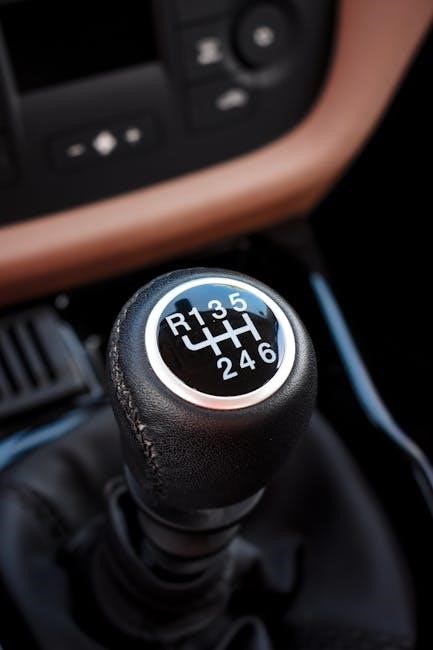
Preventative Maintenance for Manual Transmissions
Proactive maintenance is key to extending the life of your manual transmission and avoiding costly repairs. Regularly checking and changing the transmission fluid – typically every 30,000 to 60,000 miles, or as recommended by your vehicle’s manufacturer – is paramount. Inspect the clutch cable or hydraulic system for wear and tear, and address any issues promptly.
Smooth shifting habits also contribute significantly to longevity. Avoid aggressive shifting and “riding” the clutch. Periodically inspect the shift linkage for looseness or damage. Addressing minor issues early can prevent them from escalating into major problems. Proper care ensures reliable performance and minimizes the risk of encountering those concerning symptoms of a failing transmission.