

Danner Boot Fit Guide: A Comprehensive Overview (Updated 01/22/2026)
Danner boot sizing varies by style; reviews and descriptions often offer guidance, and trying them on indoors is crucial․ Danner offers easy returns!
Understanding Danner Boot Sizing Variability
Danner boots aren’t consistently sized, presenting a unique challenge for buyers․ Unlike some brands with standardized fits, Danner’s sizing can fluctuate significantly between different models and even within series․ Some styles run true to size, while others necessitate a half-size adjustment – either up or down – for optimal comfort․ This variability stems from differing last shapes, construction techniques, and intended use cases․
Careful consideration of user reviews and detailed product descriptions is paramount․ Danner often includes sizing recommendations directly on their website․ It’s also wise to try boots on indoors, allowing you to assess the fit without wear and tear, knowing Danner provides a customer-friendly return policy if needed․
General Sizing Recommendations
While Danner sizing varies, a common starting point is to order your typical US shoe size․ However, anticipate potential adjustments․ If you’re between sizes, leaning towards a half-size up is often advisable, particularly for hiking or hunting boots where sock thickness will increase․ For work boots, especially steel-toe varieties, ensuring ample toe room is crucial to prevent discomfort during extended wear․
Always prioritize trying boots on with the socks you intend to wear․ Remember, a snug but not constricting fit is ideal․ Danner’s return policy allows for experimentation, but accurate initial sizing minimizes hassle․ Consider width options – Danner offers various widths (like EE) to accommodate different foot shapes․

Danner Boot Models and Their Specific Fit
Danner doesn’t employ a one-size-fits-all approach․ The Bull Run series often fits true to size, but some users recommend trying a half-size up for optimal comfort, especially with thicker work socks․ The Mountain 600 series tends to run slightly larger, suggesting a potential half-size down for a precise fit․
Quarry boots, known for their robust construction, may also require a half-size adjustment depending on individual foot shape and sock choice․ Always consult specific model reviews, as fit can vary even within a series; Prioritize trying on before purchasing to ensure the best possible fit for your chosen Danner model․
Bull Run Series Fit Considerations
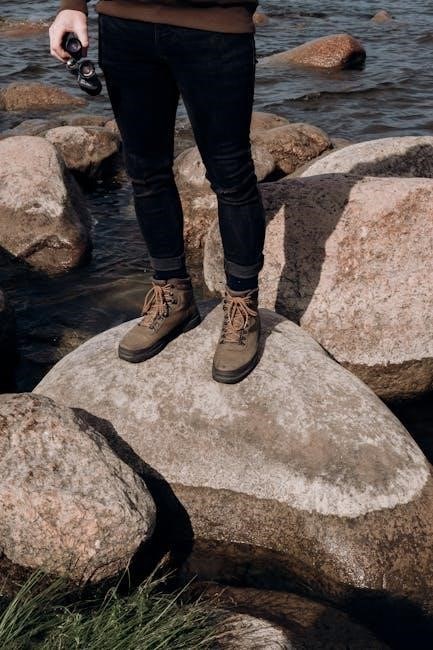
Danner’s Bull Run series, including the GTX 6” Work Boot, generally fits true to size for many wearers․ However, individuals with wider feet or those planning to use thicker socks, particularly for work applications, might consider sizing up a half-size․ The Bull Run’s construction provides a snug, secure fit, but avoiding excessive tightness is crucial for all-day comfort․

Consider the toe box shape; it’s moderately wide, accommodating most foot types․ Reviewing customer feedback specific to the exact Bull Run model is recommended, as slight variations can occur․ Prioritize a snug heel hold to prevent slippage during activity․
Mountain 600 Series Fit Considerations
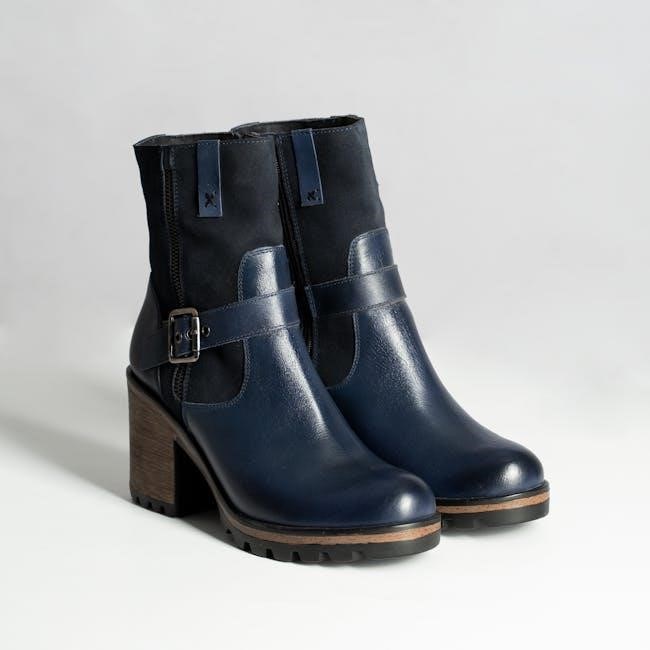
Danner’s Mountain 600 series is noted for running slightly large, particularly in length․ Many users recommend ordering half a size down from their standard boot size to achieve an optimal fit․ This is especially true for those with narrower feet who might experience excess space in the toe box․ The boot’s design prioritizes comfort for extended hiking, so a secure, yet not overly tight, fit is essential․
Pay attention to sock thickness when trying on the Mountain 600․ Wearing your intended hiking socks will provide a more accurate assessment of the fit․ Consider heel lift; a minimal amount is acceptable, but significant slippage should be avoided․
Quarry Series Fit Considerations
Danner Quarry boots, known for their robust construction and durability, generally fit true to size, but some users suggest considering a half size up, especially if planning to wear thicker work socks․ These boots are designed for demanding environments, so a snug, secure fit is paramount to prevent foot movement and potential blisters during long workdays․
The Quarry series often features a wider toe box to accommodate broader feet or the use of orthotic inserts․ When trying on, ensure ample room for toe splay without excessive looseness․ Pay close attention to the heel hold, as slippage can lead to discomfort and reduced stability․
Comparing Danner Sizing to Other Brands
Danner boots often run slightly larger compared to brands like Rocky․ Individuals typically wearing a size 7․5 in Rocky boots may require an 8 in Danner, particularly in models with steel toes․ This difference stems from Danner’s focus on accommodating varied sock thicknesses and foot volumes, prioritizing comfort during extended wear․
However, sizing can vary within the Danner lineup itself, so direct comparisons are not always straightforward․ It’s crucial to consult specific model fit guides and customer reviews․ Considering your typical size in multiple brands provides a starting point, but a precise measurement and trial fitting remain essential for optimal fit․
Danner vs․ Rocky Boots Sizing
A notable difference exists when comparing Danner and Rocky boot sizing․ Many users report needing to size up approximately half a size when transitioning from Rocky to Danner․ For example, someone consistently wearing a size 7․5 in Rocky boots, especially those with steel toes, often finds a size 8 Danner provides a more comfortable and accurate fit․
This isn’t a universal rule, but a common observation․ Danner tends to build boots with slightly more internal volume, anticipating thicker socks or potential foot swelling during prolonged activity․ Always prioritize trying on boots or carefully reviewing specific model sizing recommendations before purchasing․
Factors Affecting Danner Boot Fit
Several key factors significantly influence the fit of Danner boots․ Sock thickness and material are paramount; thicker hiking or wool socks necessitate more boot volume․ Individual foot shape and volume also play a crucial role – wider feet may require wider boot options, while those with high arches benefit from supportive insoles․
Furthermore, consider the intended activity․ Elk hunting in cold weather demands room for thicker socks, whereas warmer-weather hiking allows for thinner sock choices․ Properly accounting for these variables ensures optimal comfort and prevents blisters or discomfort during extended wear․
Sock Thickness and Material
Danner boot fit is heavily influenced by sock choice․ Thicker socks, like wool or specialized hiking socks, compress and take up more volume within the boot․ This necessitates considering extra space when initially trying on boots, preventing a cramped feel during activity․ Conversely, thinner socks allow for a snugger fit․
Material matters too; wool provides excellent insulation and moisture-wicking, while synthetic blends offer durability and quick-drying properties․ Always wear the socks you intend to use with your Danner boots during the fitting process to ensure accurate sizing and optimal comfort on the trail or worksite․
Foot Shape and Volume
Danner boots, while generally well-regarded for comfort, cater to varying foot shapes․ Individuals with wider feet may require a wider width option (like EE) to avoid pinching and discomfort․ Those with high-volume feet – meaning a thicker instep – might benefit from a size up to accommodate the extra fullness․
Conversely, those with narrow or low-volume feet may need to use thicker socks or consider an insole to achieve a secure fit and prevent slippage․ Understanding your unique foot characteristics is crucial for selecting the correct Danner boot size and width, ensuring optimal performance and preventing blisters․
Determining Your Danner Boot Size
Determining the correct Danner boot size begins with an accurate foot measurement, ideally done later in the day when feet are slightly swollen․ Measure both feet, as sizes can differ․ Consult Danner’s official size chart, noting that sizes can vary between models․
Compare your measurements to the chart, and consider if you typically wear thicker socks with your boots․ It’s often recommended to add a thumb’s width to your measurement for comfortable wiggle room․ Remember, sizing isn’t always consistent, so reading reviews specific to the boot style you’re considering is highly beneficial․
Measuring Your Feet Accurately
Accurate foot measurement is the foundation of proper Danner boot sizing․ Use a Brannock device if possible, found at many shoe stores, or measure at home with a ruler and paper․ Trace your foot onto paper while standing, wearing the socks you intend to wear with the boots․
Measure the length from heel to the longest toe, and the width at the widest part of your foot․ Repeat for both feet, as discrepancies are common․ Measure later in the day, as feet swell throughout the day․ Ensure your heel is firmly against a wall during measurement for precision․
Using Danner’s Size Chart
Danner provides size charts on their website, correlating foot length to boot size․ However, remember that these are general guidelines, and variations exist between models․ Compare your measured foot length (in inches or centimeters) to the chart, noting potential differences․
Consider your foot width; Danner offers various width options (like EE)․ If your measurement falls between sizes, it’s generally recommended to size up, especially for hiking or hunting boots where sock thickness will increase․ Always prioritize comfort and allow room for foot movement within the boot․
Trying On Danner Boots
Trying on Danner boots is crucial for optimal fit․ The best time of day is late afternoon or evening, as feet naturally swell throughout the day․ Wear the socks you intend to use with the boots – thickness significantly impacts fit․ Walk around the store, simulating the activities you’ll be doing in the boots․
Check for heel slippage and ensure ample toe room; you should have about a thumb’s width of space․ Pay attention to any pressure points or areas of discomfort․ Don’t rely solely on size; prioritize how the boot feels on your foot․
Best Time of Day to Try On Boots
The ideal time to try on Danner boots is in the late afternoon or early evening․ Throughout the day, your feet naturally expand due to increased blood flow and daily activities․ Trying boots on later ensures you account for this swelling, preventing a too-tight fit when you’re actively using them․
Morning fittings can be misleading, as feet are typically at their smallest․ This can lead to purchasing boots that feel comfortable initially but become constricting later․ Prioritize an evening fitting for a more accurate and comfortable experience, ensuring a proper fit for all-day wear․
What to Look for During the Fitting Process
When trying on Danner boots, wear the socks you intend to use with them – thickness matters! Ensure ample toe room; you should have about a thumb’s width between your longest toe and the boot’s end․ Walk around the store, paying attention to heel slippage․ Minimal movement is ideal, preventing blisters during use․
Check for pressure points or areas of discomfort․ The boot should feel snug but not tight․ Consider the overall volume; a wider foot may require a wider width․ Don’t rely solely on size; focus on how the boot feels while simulating typical movements․
Danner Boot Width Options
Danner addresses various foot shapes with multiple width options, crucial for optimal comfort and performance․ Understanding their designations – like ‘EE’ – is key to a proper fit․ Standard widths typically suit those with average-width feet, while wider options accommodate broader foot volumes, preventing pinching and discomfort․
Selecting the correct width minimizes rubbing and pressure points, enhancing stability and reducing fatigue during extended wear․ Don’t hesitate to explore different widths during the fitting process․ A properly fitted width, alongside correct length, ensures a secure and comfortable experience, maximizing the boot’s benefits․
Understanding Danner’s Width Designations (EE, etc․)
Danner utilizes a standard width system, with ‘EE’ being a common designation indicating a wider fit․ This is particularly beneficial for individuals with broader feet or those who prefer extra room in the toe box․ Understanding these designations is vital for avoiding discomfort and ensuring a secure, stable fit․
Widths beyond standard can significantly impact performance, especially during strenuous activities like hiking or work․ A too-narrow boot can cause blisters and restricted circulation, while an overly wide boot may lead to instability․ Always consult Danner’s size chart and consider professional fitting advice․
Danner Boots for Specific Activities
Danner boots cater to diverse needs, demanding tailored fit considerations․ For elk hunting, prioritize warmth and ankle support, potentially requiring a slightly larger size to accommodate thick socks․ Work boots, especially steel-toe varieties, necessitate ample toe room to prevent discomfort and ensure safety․
Hiking boots benefit from a snug, secure fit to maximize stability and minimize slippage․ Consider the terrain; longer, more challenging hikes demand a precise fit to prevent blisters․ Patagonia Danners are ideal for wading, while standard models suit varied conditions․ Proper fit enhances performance and comfort․
Hunting Boot Fit (Elk Hunting Example)
Elk hunting demands boots built for rugged terrain and extended wear․ Prioritize a fit allowing thick hunting socks without constricting circulation․ A slightly larger size is often recommended, accommodating potential foot swelling during long stalks․ Ensure ample toe box room, crucial for maintaining dexterity and preventing discomfort on steep inclines․
Consider the boot’s height for ankle support, vital when navigating uneven ground․ A secure heel hold prevents slippage, enhancing stability․ Danner’s durable construction withstands harsh conditions, but proper fit remains paramount․ Test the fit with hunting-specific insoles for optimal comfort and performance during your hunt․
Work Boot Fit (Steel Toe Considerations)
Steel-toe boots require extra attention to fit, as the toe cap reduces internal space․ A half-size increase is generally advised to prevent pressure and discomfort․ Ensure sufficient room for your toes to move freely, even when wearing work socks․ Prioritize a snug heel fit to minimize slippage during demanding tasks․
Danner work boots, like the Bull Run series, offer robust protection, but a poor fit compromises safety and comfort․ Test the boots with the insoles you’ll use on the job․ Consider width options (EE) for wider feet․ Regularly check for pressure points and adjust lacing accordingly for all-day support․
Hiking Boot Fit
Danner hiking boots, such as the Mountain 600 series, demand a precise fit for optimal performance and blister prevention․ Aim for approximately a thumb’s width of space between your longest toe and the boot’s end when standing․ A secure heel hold is paramount to prevent rubbing and maintain control on varied terrain․
Consider sock thickness when trying on hiking boots; wear the socks you intend to use on the trail․ Walk around the store, simulating uphill and downhill movements․ Pay attention to any pressure points or areas of discomfort․ A well-fitted hiking boot enhances stability and enjoyment during outdoor adventures․
Danner’s Return and Exchange Policy
Danner prioritizes customer satisfaction, offering a straightforward return and exchange process․ Unworn boots, with original packaging and tags, can typically be returned within a specified timeframe – often 30 days – for a full refund․ Exchanges are generally permitted for different sizes or styles, subject to availability․
However, boots exhibiting signs of wear, damage, or modification may not be eligible for return or exchange․ It’s crucial to review Danner’s official website for the most up-to-date policy details, including any associated return shipping costs or restocking fees․ Their customer service is considered “cool” and easy to work with;
Breaking In Your Danner Boots
Danner boots, renowned for their durability, often require a break-in period․ Initially, wear them for short intervals, gradually increasing the duration to allow your feet to adapt to the boot’s structure․ Utilizing thicker socks can help minimize discomfort and prevent blisters during this process․
Leather conditioners can soften the leather, accelerating break-in․ Addressing pressure points promptly with moleskin or blister bandages is advisable․ Remember, a well-broken-in Danner boot will provide exceptional comfort and support for years to come, making the initial effort worthwhile․
Caring for Your Danner Boots to Maintain Fit
Consistent care is vital for preserving the fit and extending the life of your Danner boots․ Regularly clean them with a brush and appropriate leather cleaner, removing dirt and debris after each use․ Conditioning the leather prevents cracking and maintains flexibility, crucial for a comfortable fit․
Proper storage is also key; avoid extreme temperatures and humidity․ Using boot trees helps retain the boot’s shape and prevents creasing․ Addressing any stitching issues promptly prevents further damage and maintains structural integrity, ensuring a consistent and supportive fit over time․
Resources for Further Fit Assistance
For personalized guidance, Danner’s customer service team is an excellent resource, offering expert advice on sizing and fit․ Online forums and communities dedicated to hiking and hunting frequently feature discussions about Danner boot fit experiences, providing valuable insights from fellow users․
Additionally, visiting a reputable outdoor retailer with knowledgeable staff can offer professional fitting services․ Danner’s official website also provides detailed size charts and fit guides․ Utilizing these resources ensures you find the perfect fit for optimal comfort and performance during any activity, from elk hunting to everyday wear․